
Mold Remediation
Mold remediation contains and removes mold growth, cleans the affected space and corrects the moisture source behind the problem.
See mold remediationGet a clear plan for dark growth or moisture damage in Alhambra. It should cover containment, cleaning, drying and the water problem.

Black mold cleanup clears dark growth, corrects moisture and dries the affected area.
Moisture mapping and inspection may come first, followed by containment and HEPA filtration. Drywall removal, cleaning of surfaces, drying equipment and verification can also be in scope.
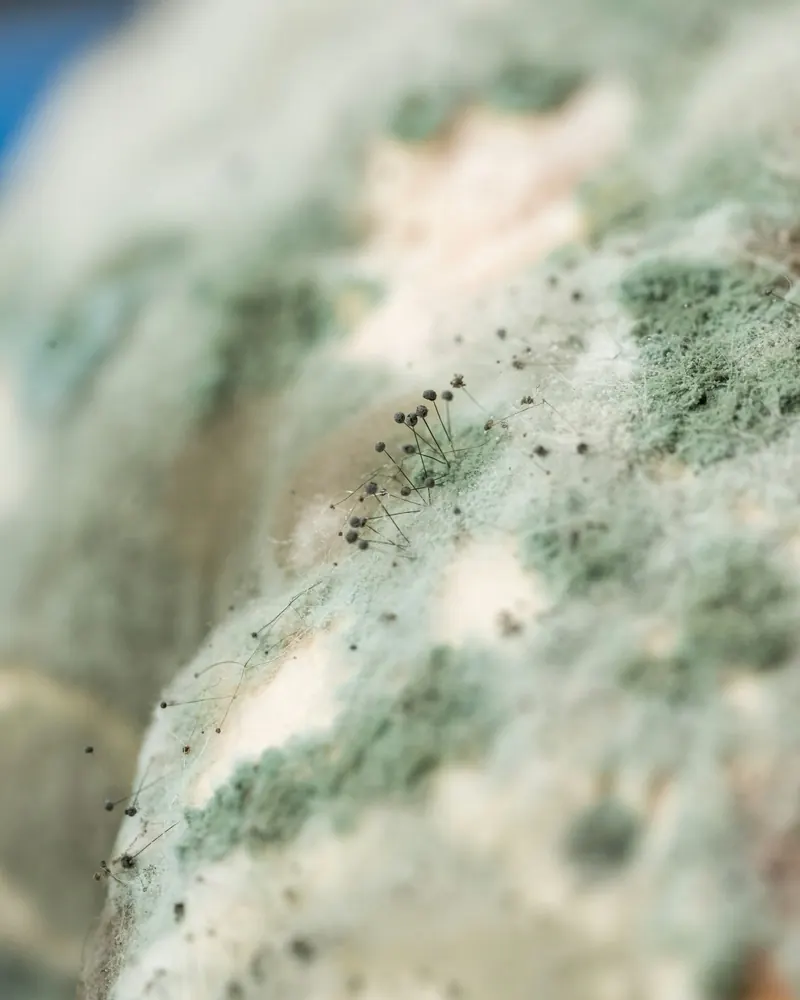
Many different molds can look black, so appearance cannot determine risk or species. Stachybotrys chartarum is one type of dark mold, and laboratory identification requires a mold sample.
Look for a scope that describes costs, repairs, what to expect, drying, removal limits and cleaning.
Clarify who checks the drying and who corrects the underlying water problem.
Find out how containment barriers keep belongings, pets and people protected.
After cleanup finishes, have an independent assessor perform the clearance testing.
Get experienced help for large or hidden growth, HVAC contamination and contaminated water.
Keep moisture controlled across the basement, bathroom, crawl space and other lower levels.
Leave any contaminated equipment shut down. Operation could move mold through the building, as EPA guidance warns.
Dampness can remain in cellulose materials. Use moisture readings to direct removal of affected drywall.
Inspect for a plumbing leak, condensation or roof leak ahead of replacing material.
Avoid disturbing the growth while you stop water safely.
Call (844) 352-3560Fixr lists a national inspection range of $600 to $800 and average black mold removal of $800 to $7,000 in its cost guides. Bob Vila's guide, which cites Angi and HomeAdvisor, puts the average at $800 to $7,000 for black mold removal. They are national ranges rather than a quote.
These ranges come from published national cost guides, not from a site visit. Before work begins, you should get an explanation of the property price determined through an on-site assessment.
Ask about cost: (844) 352-3560A covered, sudden water event may qualify for coverage. Common exclusions include repeated humidity and long-term leaks.
Under California's housing law, visible mold found by a health officer or code enforcement officer can make a rental substandard. Renters can contact their local health or code enforcement department to ask for an inspection. Keep your messages and dated photos about access, repairs and the leak.
Make a prompt event report. Find out about the cause, required documentation and any mold sublimit before materials are moved.
Coverage turns on the cause, not color. A burst pipe can receive different treatment than condensation or a slow leak.
California's Toxic Mold Protection Act includes a landlord written-disclosure section (Health and Safety Code 26147). By its own wording it applies only after the state adopts mold exposure standards, and the state health department has said it could not set them. Keep the scope, photos, moisture readings, repair records and independent clearance report.
The protocol depends on area, materials, access and moisture.
A moisture meter traces damp material. Thermal imaging may guide checks, but cannot identify mold.
Poly sheeting and negative air pressure help keep dust inside the work zone.
The cleanup crew places unsalvageable insulation, carpet, drywall ceiling tile material in bags.
Airborne particles are captured through HEPA filtration as bags and tools travel a planned route.
Surface cleaning methods may include HEPA sanding and damp wiping, plus a HEPA vacuum or wire brushing on non-porous surfaces.
Drying equipment can consist of air movers and a dehumidifier. Moisture readings guide repairs.
An independent assessor may complete a visual check, air sampling and post-remediation verification.

Call at any time. A black mold removal specialist answers, talks through what you are seeing and explains the next steps.
Sensitive people may be exposed when cleanup spreads spores or misses damp materials. You cannot judge risk from mold color.
Behind cabinets, flooring and walls, a moisture meter can locate material that remains wet.
Mold can trigger allergy and asthma symptoms in some people.
To contain particles, a work area may use poly sheeting with a HEPA air scrubber and negative air pressure.
Can you clean it yourself? EPA says an area under about 10 square feet can often be cleaned by the occupant after fixing the water problem. Larger areas, HVAC involvement and contaminated water call for experienced help.
You may retain cleanable hard surfaces. Mold-affected porous materials might have to come out.

California has no state license or certification for mold assessors or remediators, according to the California Department of Public Health. General construction work above a small dollar amount does need a license from the Contractors State License Board (CSLB), so it is worth checking a contractor's license there and asking about their mold training. Check permit requirements for rebuilding work or structural demolition.
Dry items and areas affected by water within 24 to 48 hours, and keep moisture controlled to prevent growth.
Indoor mold levels have no federal limit. Use a black mold test only when its purpose is clear.
The California Department of Public Health (CDPH) Air Quality Section publishes mold and dampness guidance and a mold FAQ. CDPH says visible mold, dampness, and mold odor are unhealthy and should be fixed, and that routine mold testing is not needed when mold is visible. Check which requirements apply when mold testing, repair or removal is planned.
Removal time varies with access, containment, drying and the moisture repair. Any schedule made before inspection is preliminary.
The full black mold removal guide covers what is cleaned or removed, odor and air quality work, and the rules that apply in your state.
Read the full black mold removal guideLocal humidity and housing, along with access to your property, can influence mold cleanup planning, moisture control and containment.
In Alhambra, the 59 percent renter share means a dated written report can identify a leak or visible mold and help the owner plan access for inspection and removal.
The local median build year is 1960, so a small visible patch may warrant checking the adjoining ceiling, flooring, or wall for moisture from an older component.
Because the single-family share is 53 percent, a moisture check should account for both detached homes and multi-unit buildings before defining the removal area.
Because 18 percent of seniors live alone, mold work should be explained in clear stages, including leak repair, removal, drying, and follow-up humidity control.
During your call, ask whether mold cleanup is available in surrounding communities and ZIP codes.
Mold remediation contains and removes mold growth, cleans the affected space and corrects the moisture source behind the problem.
See mold remediation
Mold cleanup means removing mold from surfaces and materials, bagging damaged items and cleaning the area so it is ready for repairs.
See mold cleanup
When you cannot see growth within walls, under flooring or beyond a ceiling, hidden mold remediation finds and removes it.
See hidden mold remediation (behind walls)
For drywall mold removal, damaged wallboard is replaced after the framing behind the surface has been cleaned.
See wall and drywall mold removal
This service pairs a mold inspection with removal, so the crew finds where mold is growing and then cleans it out.
See mold inspection and removal
Water damage mold cleanup clears growth left by flooding or a leak, then dries the building materials to prevent a return.
See water damage mold cleanup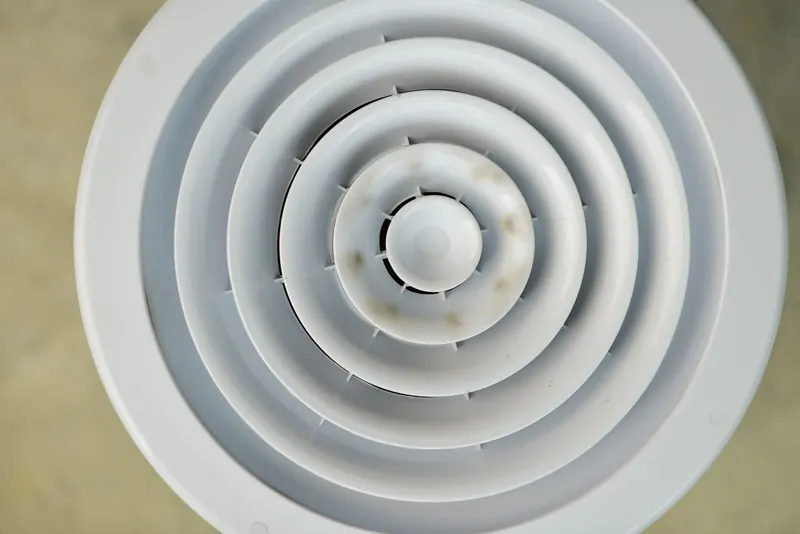
Air duct mold removal cleans HVAC drain pans, ductwork, vents and coils so the system no longer carries the growth.
See HVAC and air duct mold removal
Removal comes before repairing or replacing the flooring, insulation, drywall and other materials during mold damage restoration.
See mold damage restorationVisible dark patches, a returning stain or a musty smell may support getting a mold inspection, yet looks alone cannot identify species. Lab testing has value if knowing the identity changes what you decide. Visible growth calls for locating moisture first, defining the affected area and creating a safe cleanup plan.
Fixr publishes an average black mold removal range of $800 to $7,000 that Bob Vila also lists and attributes to Angi and HomeAdvisor. Testing, repairs, porous materials, containment, access and affected area all shape your cost. You need an inspection before the actual scope can be defined.
A professional is not necessary for every small patch. EPA guidance says homeowners or renters may often clean spaces under about 10 square feet after correcting the water issue. Experienced help is appropriate when water damage is extensive, growth is larger or hidden, or contaminated water or HVAC equipment is involved.
Your coverage varies with the policy and what caused the moisture. Payment may be possible after a sudden and accidental water event that is covered. Long-term leaks, repeated humidity and neglected maintenance are commonly excluded. Ask whether a mold sublimit applies and keep photos, messages, moisture readings and repair records.
Mold grows where moisture reaches a material it can use. Roof and plumbing leaks, condensation, damp wall cavities and high humidity can keep drywall paper, wood and other materials wet. Moisture control belongs in the cleanup plan, since growth can return when only the visible area is treated.
Black describes appearance without establishing species or risk. Stachybotrys chartarum is one type associated with the term, but many molds look dark. Neither a slimy texture nor a greenish black appearance can establish its name. Focus on the moisture source, affected materials and safe cleanup.
Get calm, practical guidance about black mold removal, with calls answered 24 hours a day.